5 common tricks scammers use

5 common tricks scammers use
Each day newsfeeds and channels carry reports about people getting scammed in some way or the other. The FTC received more than 2.8 million fraud reports in 2021, amounting to losses of more than $5.8 million. More often than not, those who think they won’t fall for scams are usually the victims. So if you want to protect yourself from scammers, here are five common tricks to recognize: Free trials This trick includes offers of free one-month trials of products or services, such as teeth whiteners and streaming platforms. All the scammers ask you to pay is a small amount when in reality, they hide the fine print that obligates users to pay a monthly fee. Further, canceling these subscriptions may also be an expensive process. So before signing up for such trials, ensure that you read the fine print and do not fall for testimonials on the site. A reputable company will usually let you cancel, get out of a contract, and negotiate a refund. Influencer giveaways Tons of influencers on video streaming platforms carefully curate content for their subscribers. Occasionally, they may even plan giveaways. But hundreds of scammers create similar profiles and add links to comments announcing free giveaways for the winners of a lucky draw.

5 mistakes to avoid while taking supplements

5 mistakes to avoid while taking supplements
Consuming food with low nutritional value excessively has led to nutritional deficiencies in many people. This has further led to people taking supplements to fill the nutritional gaps in their meal plans. However, taking supplements is not as easy as it seems. Many people do not reap the full benefits of the supplements by taking them inappropriately. Therefore, before taking any supplements, learn how to take them and avoid common mistakes that people generally make. Ignoring the doctor’s consultation If one doubts having a deficiency, it is best to consult a doctor before taking supplements. The doctor may suggest some diagnostic tests to detect the exact supplements one needs to consume in case of a deficiency. Ignoring the consultation will exacerbate certain conditions and adversely affect one’s health. Depending on supplements for all the nutrition People tend to use supplements to fix their unhealthy eating patterns. Eating all kinds of unhealthy foods and then popping in supplements thinking it’ll fix all the nutritional deficiencies will not work. It is important to have a healthy lifestyle and nutritious meal plan along with supplements to fill in the nutritional gaps for maintaining good health. This way, one can get the best out of the supplements, enhance skin health, and promote hair growth.

6 mistakes that can damage the lungs and ways to avoid them

6 mistakes that can damage the lungs and ways to avoid them
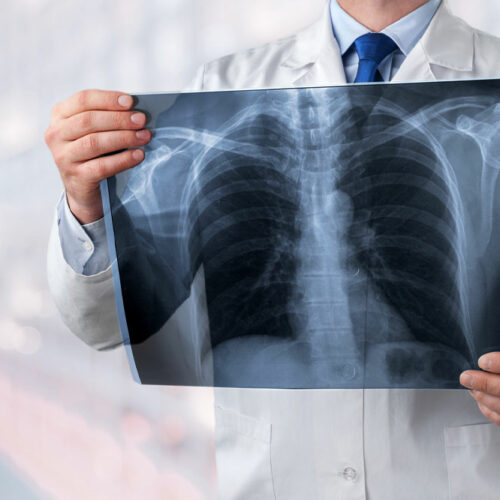
Our lungs are critical organs of our body. But we often tend to ignore maintaining our lung health. Like other parts of the body, the lungs tend to become less flexible over a period of time. This can lead to breathing issues. Engaging in certain practices might unknowingly be bad for your lungs. Let’s spare some time and understand the mistakes that can damage the lungs and how to avoid them. Untidy houses and buildings Untidy homes and buildings can give rise to mold and dust mites, both of which can cause respiratory issues. These problems can be avoided with regular cleaning and sufficient ventilation. Also, the common carpets used at home can gather dust and allergens over time, especially if you have pets around. It is essential to vacuum them often and seek professional cleaning services on a regular basis. Exercising in heavy traffic areas Exercising in congested areas such as a city park might be harmful. To prevent the hazards connected with high-traffic regions, one should exercise in a safe and less crowded location, such as a gym. Additionally, the time of the day matters. The quality of the air can vary greatly depending on which time you choose to exercise.

Common warning signs and symptoms of herpes

Common warning signs and symptoms of herpes
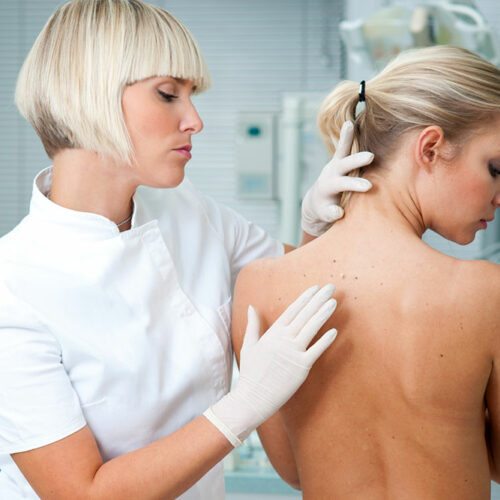
Herpes is a viral infection caused by the Herpes Simplex Virus (HSV). This condition is classified into two categories depending on where the symptoms occur: genital herpes and oral herpes. In both cases, the warning signs may not be evident early on. Also, in certain cases, the virus remains dormant for a long time, and the symptoms start showing after many years. Here are some of the warning signs of herpes and common signs and symptoms: Warning signs Some people have experienced a severe outbreak of herpes symptoms without any warning immediately after the infection. But some only go through mild episodes. In either case, a person may have the following warning signs after the initial infection: A tingling sensation in the infected area Constant itching or burning in the infected area Formation of sores or blisters around the mouth or genitals In most cases, the warning signs progress to full-fledged symptoms that last longer. These symptoms can occur anywhere between 2 and 20 days after the first exposure to the virus. Common symptoms of oral herpes Oral herpes can cause blisters to be found around or inside the mouth and the lips. These blisters are also known as cold sores or fever sores.

5 foods to avoid for managing herpes

5 foods to avoid for managing herpes
Herpes is a common viral infection caused due to the herpes simplex virus or HSV. While the virus affects people differently, its primary symptom is the appearance of blisters around one’s genitals or mouth. There’s no known cure for the condition, but studies show that maintaining a healthy lifestyle and eating the right foods can minimize its impact and alleviate its symptoms. Here are some foods that are best avoided for managing herpes better. Peanuts Peanuts are rich in arginine, an amino acid that can promote the growth of the herpes virus. Hence, those with the condition should avoid snacking on these nuts. Arginine is also found in chickpeas, soybeans, turkey and chicken breasts, pork loin, pumpkin seeds, and chocolate. While these foods are not inherently harmful, they can trigger herpes outbreaks. French fries Highly processed foods, including French fries, chicken nuggets, chips, pretzels, fast food, processed meat, and particular snacks, can weaken the immune system and promote inflammation. This can, in turn, lead to herpes flare-ups. Hence, patients should avoid these foods and instead opt for whole grains, quinoa, legumes, and millets. Eggs, fish, and avocados can also boost one’s immunity, making them suitable for those with herpes. Candy High sugar intake can lead to an imbalance in blood sugar levels, making it easier for the herpes virus to activate.

8 common warning signs of blisters

8 common warning signs of blisters
Blisters can quickly escalate into uncomfortable and potentially painful conditions if not addressed in their early stages. Understanding the subtle yet crucial warning signs of blister formation is paramount for proactive prevention and effective management. Whether one is an avid hiker, a dedicated athlete, or simply navigating the demands of daily life, this knowledge is essential as it equips everyone with the information needed to safeguard their skin and maintain optimal comfort. Skin sensitivity and redness When skin becomes sensitive, it’s reacting to the pressure or friction it’s enduring. This heightened sensitivity is an early signal that the skin is under stress. It’s akin to a gentle alarm, alerting individuals to take heed. As the pressure continues, the area might also start to redden. This redness indicates the body’s response to the stress, as increased blood flow rushes to the area to support and heal the compromised skin. Warmth and swelling As the skin endures sustained pressure or friction, it responds by sending more blood to the affected area. This increased blood flow leads to the sensation of warmth. Swelling may occur as the body works to support and repair the skin. This phase can be likened to a natural ‘first aid’ response from the body, mobilizing resources to assist the stressed skin.

Our
Blog.

9 most common types of depression you should know about

9 most common types of depression you should know about

All of us feel low, upset, and unmotivated at some point in our life, but this isn’t classified as depression. Depression is a mood disorder that overshadows a person’s thoughts, feelings, and actions. Signs and symptoms of this grave disorder can range from feeling hopeless and tired to completely losing the will to live. There are several types of depression and they are listed below so you can understand depression and people suffering from it better. Major Depression (Clinical Depression) The hallmark trait of this type of depression is the constant feeling of sadness or loss of interest in social life or any outside stimuli. It often lasts for two weeks or more in which a person can experience symptoms such as hopelessness, fatigue, and suicidal thoughts. Dysthymia (Persistent Depressive Disorder) Dysthymia lasts for years and can disrupt daily life and interfere with personal and professional relationships. Individuals with dysthymia are often seen as dark, pessimistic, or complainers by others, and they have a hard time being happy in typically pleasant situations. Manic Depression (Bipolar Disorder) People with manic depression experience high degrees of mood swings. Their train of thought can take them from feeling euphoric to feeling suicidal in just a few weeks. It is very common to get into a depressive state before or after the manic episode. Postpartum Depression (Peripartum Depression) This depression episode is characterized by dramatic hormonal changes in women after giving birth. They may tend to experience bouts of sadness and cry anytime. The symptoms usually alleviate after a week or two of giving birth. Seasonal Affective Disorder (SAD) People with this type of depression start experiencing depressive symptoms with a change in seasons. For many, it happens during winter. The individual starts feeling worse as the season progresses and can even have suicidal thoughts.
Read More
Simple and practical guide points for expecting parents

Simple and practical guide points for expecting parents

Pregnancy is a new experience in every couple’s life, and one should understand a few things to ensure that the nine months are smooth and stress-free. Simply being prepared for pregnancy and looking forward to the joy of parenthood is not all there’s to childbirth. As a couple, you must understand, review, and adjust your lifestyle. Expecting mothers become their child’s nurturers and supporters from day one, but the expecting fathers, close relatives, and friends must also understand the key roles they will play right up to the due date. Here are a few simple family and pregnancy guide points to help you and your folks get started: Staying healthy Physical and mental wellbeing is extremely crucial for the expecting mother to ensure both her and the baby’s health. Diet plays a crucial role in this process, as the mother is now providing nutrition for the developing fetus as well as herself. As a family, you can take turns to ensure that the to-be mother is staying physically active, eating healthy and regularly, and not cultivating any bad habits. More importantly, family and loved ones should be prepared for the changes to come in the upcoming trimesters. Coping with changes – what to expect Morning sickness in the first trimester is quite common and can put a woman’s body under tremendous stress. Nausea and vomiting may also cause headaches, but medications cannot always be taken, as they may affect the baby’s health. Hormonal changes during pregnancy can cause extreme mood swings, so everyone around must be prepared to deal with this. Maintaining a healthy relationship with one’s partner and responding to their needs is crucial to ensure a healthy pregnancy, especially after the first trimester, when the baby starts developing quickly. Counseling One of the more crucial aspects of family and pregnancy planning is prenatal counseling.
Read More